


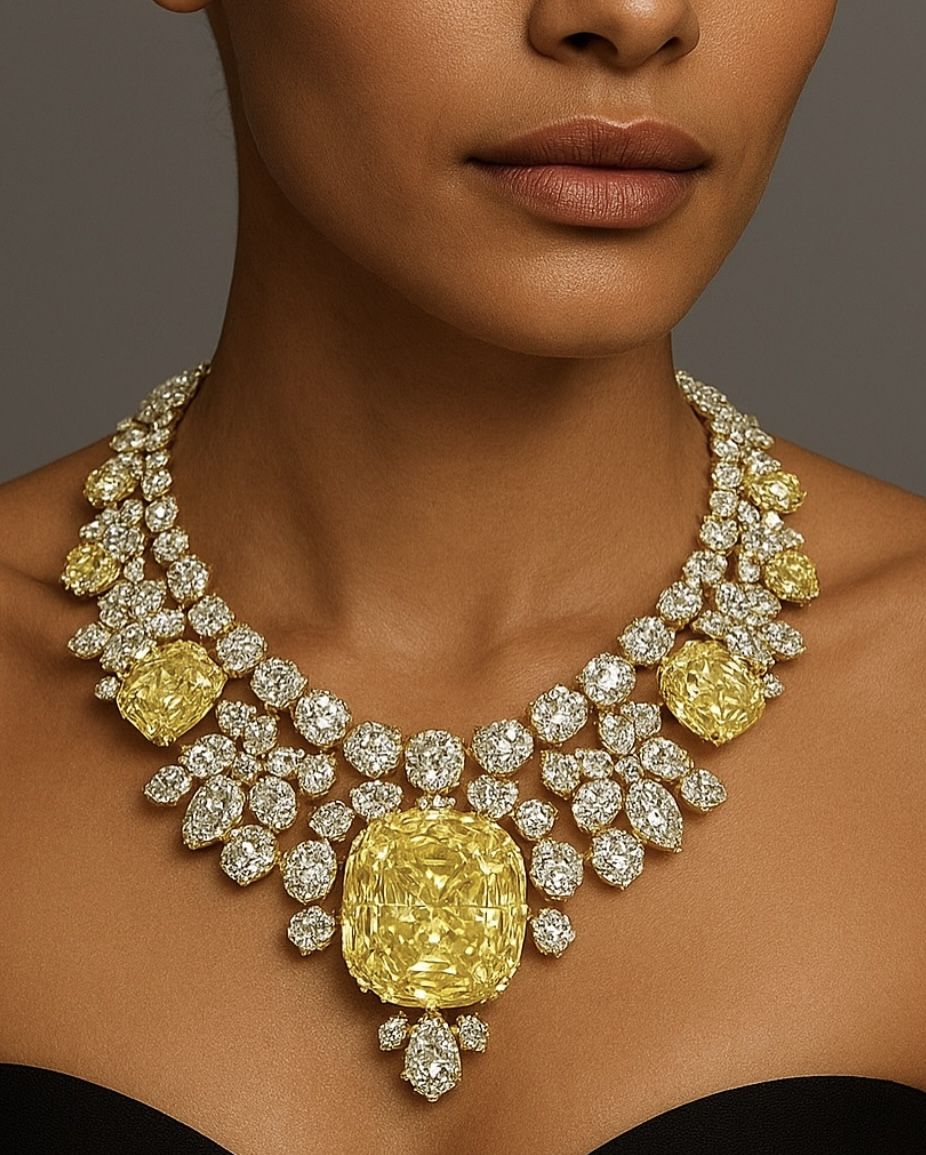
Designer jewelry is more than just a piece of adornment—it’s a work of art, an expression of creativity, and a symbol of craftsmanship. The journey from concept to creation involves intricate design work, skilled artistry, and a deep understanding of materials. Whether it’s a custom piece for a client or a new collection, the process is both meticulous and exciting. In this article, we’ll explore how jewelry designers bring their visions to life, from the initial concept to the final creation.
Step 1: The Spark of Inspiration
The designer jewelry process begins with a spark of inspiration. This can come from anywhere—nature, art, architecture, or even personal experiences. Some designers draw from historical jewelry trends, while others may focus on a modern or futuristic aesthetic. The goal is to create something unique that resonates with the designer’s vision as well as with the tastes of their clientele.
Understanding Client Preferences
When designing a custom piece, it’s important for the designer to understand their client’s preferences. This step involves conversations about style, stones, metals, and budget. A designer must balance their artistic vision with the customer’s desires, ensuring that the final piece reflects both creativity and personal significance.
Step 2: Sketching the Design
Once the inspiration is gathered and the client’s preferences are understood, the next step in the designer jewelry process is sketching. This is the phase where ideas start to take form visually. Designers often use pencils, charcoal, or digital tools to bring their concepts to life. These sketches are detailed and may include multiple angles, measurements, and ideas for different design elements.
Iterating on the Design
The sketching phase is rarely a one-time process. Designers usually go through several iterations to refine their ideas, ensuring that every element aligns with their vision and is feasible for production. The final sketch will serve as the blueprint for the jewelry piece, guiding every subsequent step in the process.
Step 3: Selecting Materials and Stones
Choosing the right materials is critical in the designer jewelry process. High-quality materials enhance both the beauty and durability of the piece. Designers often select precious metals such as gold, platinum, or silver, as well as a wide variety of gemstones—from diamonds and sapphires to more unconventional options like opals or turquoise.
Sourcing Gemstones
One of the most exciting parts of the process is sourcing gemstones. Designers often work with suppliers to handpick stones that match the desired look and feel of the design. Each gemstone is chosen not only for its beauty but also for its rarity, color, clarity, and cut. The quality of the stones plays a significant role in determining the overall value and aesthetic of the final jewelry piece.
Step 4: Crafting the Piece
After selecting the materials and stones, the actual crafting of the jewelry begins. This step involves turning the sketch into a tangible piece of art. The designer typically works with a skilled jewelry artisan or a team of artisans who use various techniques such as casting, soldering, and stone setting.
The Role of CAD Technology
In modern designer jewelry, computer-aided design (CAD) technology is often used to create 3D models of the jewelry before it’s physically made. CAD software allows designers to visualize the piece in intricate detail, providing an opportunity for precise adjustments and error prevention. Once the CAD model is approved, the piece can be cast in metal, and the stones can be set with the highest level of precision.
Step 5: Finishing Touches
The final stage in the designer jewelry process is adding the finishing touches. This phase involves polishing, engraving, and ensuring the piece is ready for wear. Whether it’s a fine polish to give the jewelry a brilliant shine or delicate engravings to add a personal touch, these small details are what elevate the design from beautiful to extraordinary.
Quality Control
Quality control is an essential part of the finishing process. Designers ensure that every part of the piece meets high standards, from the integrity of the setting to the overall appearance. Jewelry pieces are inspected for flaws, and adjustments are made as necessary.
Conclusion: The Art of Transformation
From concept to creation, the journey of designer jewelry is a true testament to craftsmanship, creativity, and attention to detail. Every piece tells a story, whether it’s through the careful selection of gemstones or the intricate design work that goes into making it. Designer jewelry is more than just an accessory; it’s a manifestation of the designer’s vision and a symbol of artistry that stands the test of time.
