


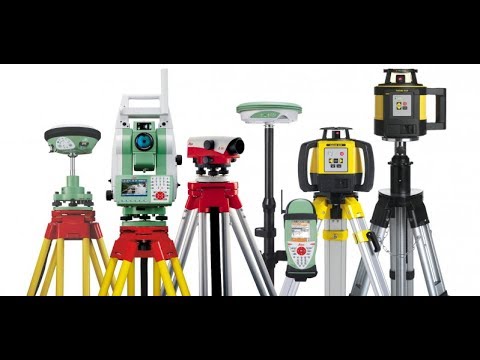
Choosing the right tools is critical for accuracy, efficiency, and long-term performance in surveying projects. Understanding the Top Features to Look for When Buying land survey equipment helps professionals and beginners make informed decisions that reduce errors and improve productivity on-site.
In today’s competitive construction and mapping industries, selecting reliable instruments is no longer just about price—it’s about precision, durability, and advanced functionality. The Top Features to Look for When Buying Land Survey Equipment should always be evaluated carefully before making a purchase to ensure long-term value and performance.
Accuracy and Precision in Measurement
Accuracy is the foundation of any surveying task. Even minor measurement errors can lead to costly design or construction issues.
High-quality surveying tools should offer:
- Millimeter-level precision
- Stable performance in varying environmental conditions
- Consistent calibration standards
Modern equipment such as total stations and GNSS receivers are designed to minimize human error and deliver highly precise readings.
Durability and Build Quality
Surveying often takes place in harsh environments, including construction sites, uneven terrain, and extreme weather conditions. Equipment must be built to withstand these challenges.
Key durability factors include:
- Water and dust resistance ratings (IP standards)
- Shock-resistant housing
- High-quality materials like reinforced aluminum or composite polymers
Investing in durable tools reduces maintenance costs and extends the lifespan of the equipment.
Advanced Technology and Connectivity
Modern surveying tools are becoming increasingly digital. Features like GPS integration, cloud connectivity, and real-time data transfer are now essential.
Look for:
- GNSS and RTK positioning capabilities
- Bluetooth and Wi-Fi data sharing
- Compatibility with surveying software and mobile apps
These features improve workflow efficiency and allow faster decision-making on-site.
Ease of Use and Calibration
User-friendly design plays a major role in productivity. Complex equipment can slow down operations and increase the risk of mistakes.
Important usability features include:
- Intuitive interface and controls
- Quick setup and automatic calibration
- Clear digital displays and guidance systems
Well-designed equipment reduces training time and enhances field performance.
Top Features to Look for When Buying Land Survey Equipment: Essential Considerations
When evaluating different models, it is important to compare not only specifications but also real-world usability. The Top Features to Look for When Buying Land Survey Equipment should include a balance of precision, durability, and smart technology. Buyers should also consider after-sales support, software updates, and compatibility with existing tools.
Budget and Value
While high-end tools offer advanced features, budget considerations are equally important. The goal is to find equipment that provides the best value rather than just the lowest price.
Consider:
- Long-term maintenance costs
- Warranty and service support
- Feature-to-price ratio
A well-balanced investment ensures reliability without unnecessary overspending.
Conclusion
Selecting the right tools requires careful evaluation of performance, durability, and technological features. The Top Features to Look for When Buying Land Survey Equipment should guide every purchasing decision to ensure accuracy, efficiency, and long-term usability. By focusing on essential qualities rather than just cost, surveyors can significantly improve project outcomes and operational reliability.
