


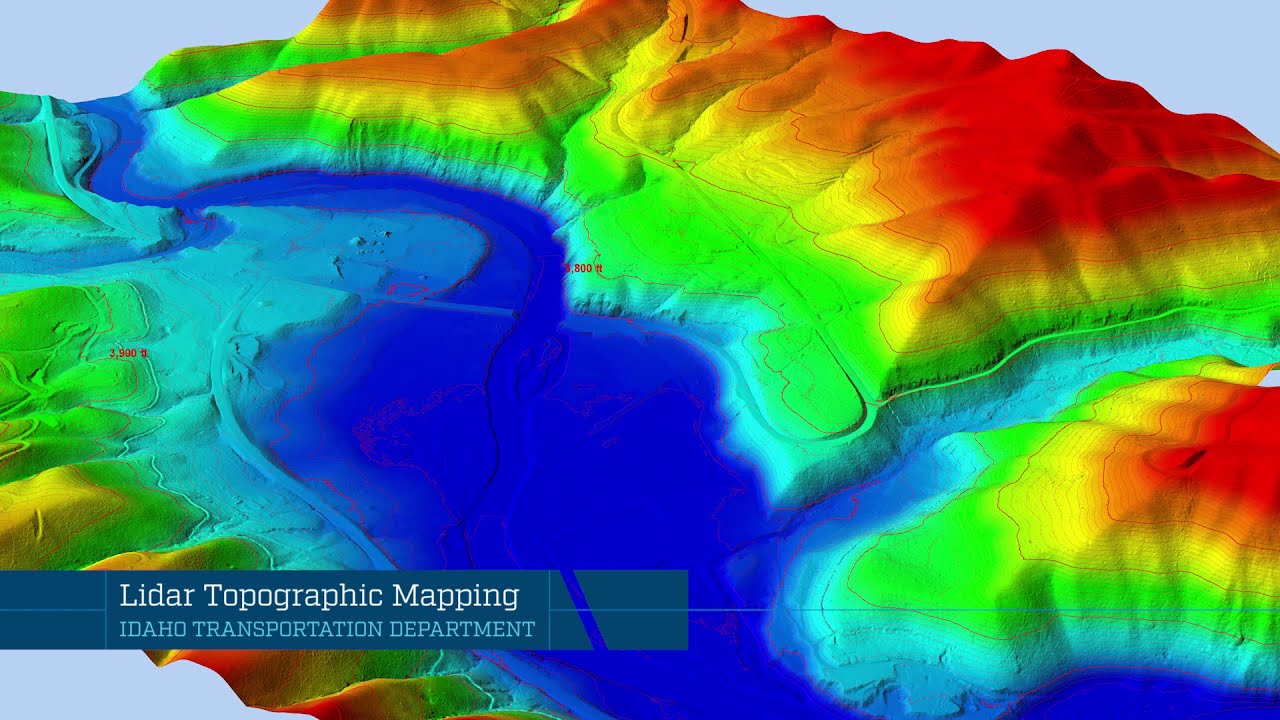
In today’s rapidly urbanizing world, efficient transportation planning is essential for sustainable development. One of the most powerful tools available to urban planners, logistics companies, and government agencies is geospatial mapping solutions for transportation planning. These solutions leverage geographic information systems (GIS), satellite imagery, and advanced analytics to optimize transportation networks and improve overall mobility.
Understanding Geospatial Mapping Solutions
Geospatial mapping solutions involve the collection, analysis, and visualization of geographic data. For transportation planning, this data can include road networks, traffic patterns, population density, public transit routes, and environmental constraints. By integrating these datasets, planners can make informed decisions that minimize congestion, reduce travel time, and enhance safety.
Benefits of Geospatial Mapping in Transportation
- Optimized Route Planning
Geospatial tools allow transportation planners to identify the most efficient routes for public transit, freight delivery, or emergency services. By analyzing real-time traffic data, these solutions help reduce delays and fuel consumption. - Infrastructure Development and Maintenance
Using geospatial mapping solutions, planners can monitor road conditions, identify areas that require maintenance, and plan new infrastructure projects based on projected traffic demand. - Environmental and Safety Assessment
These solutions help evaluate the environmental impact of transportation projects. Planners can assess air quality, noise pollution, and risk zones, ensuring safer and greener transportation networks.
Applications in Urban and Regional Planning
Geospatial mapping solutions are invaluable in both urban and regional contexts. In cities, they assist in designing public transit networks, bike lanes, and pedestrian-friendly zones. In regional transportation planning, they optimize highway systems, freight corridors, and logistic hubs, reducing costs and improving efficiency.
Future Trends
With the rise of smart cities and autonomous vehicles, the role of geospatial mapping solutions for transportation planning will continue to grow. Integration with IoT devices, real-time traffic monitoring, and predictive analytics will enable more responsive and adaptive transportation systems.
Conclusion
Investing in geospatial mapping solutions for transportation planning allows governments, companies, and urban planners to create efficient, safe, and environmentally friendly transportation networks. By leveraging these tools, the future of transportation will be smarter, faster, and more sustainable.
