


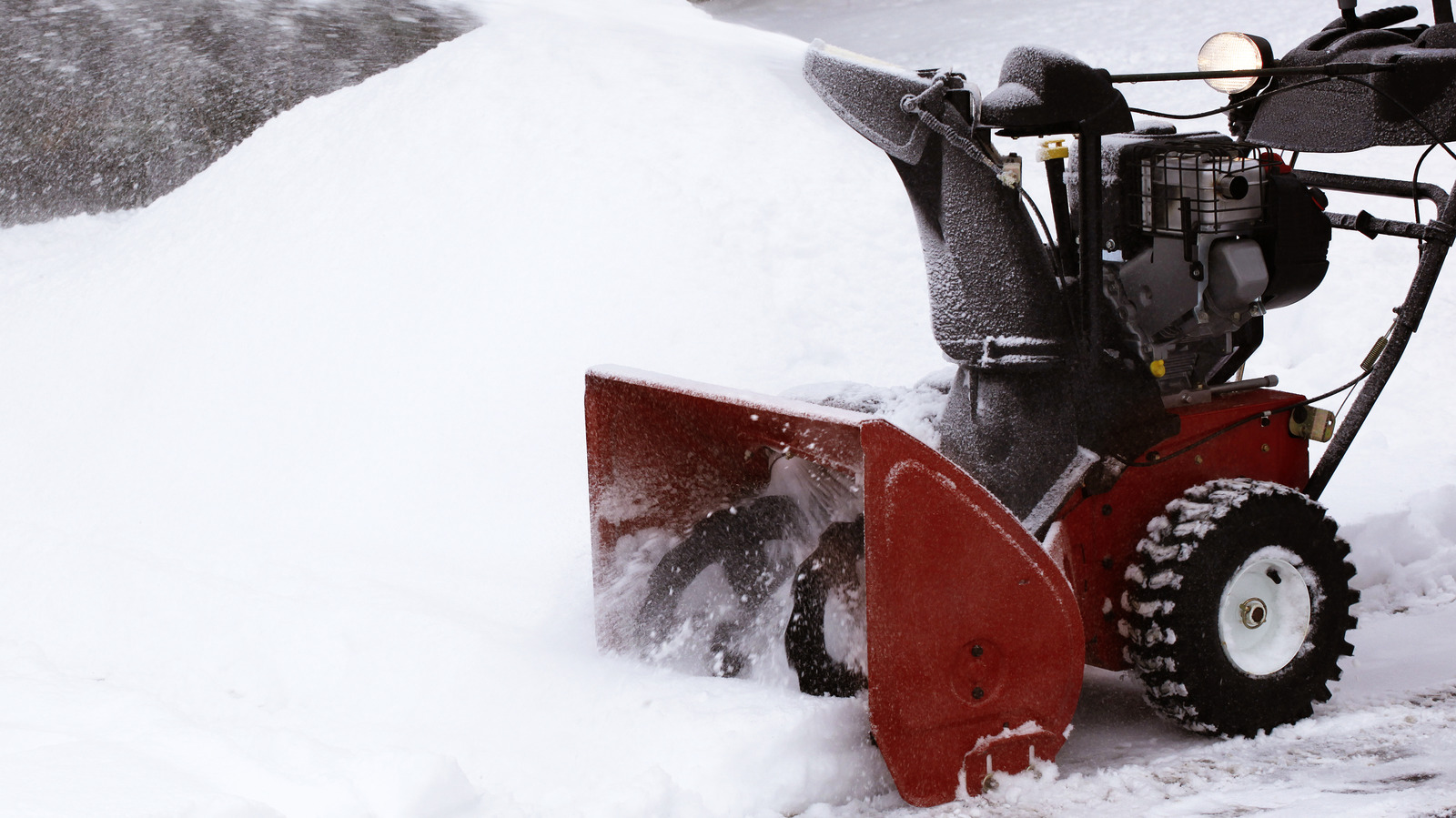
Operating a snow blower may seem simple, but understanding the right techniques can help prevent accidents and keep your machine running smoothly. Learning How to Operate a Snow Blower Safely and Efficiently ensures your winter clean-up is quicker, safer, and far less stressful.
1. Preparing Your Snow Blower
Inspect the Machine
Before you begin, check your snow blower for damage or loose parts. Examine the belts, auger, chute, and tires. Proper inspection helps you understand How to Operate a Snow Blower Safely and Efficiently because it prevents unexpected malfunctions.
Fuel and Oil Check
Ensure the engine has enough fuel—preferably fresh gasoline—and check the oil level. Never refuel a hot engine; allow it to cool first to avoid fire hazards.
Clear the Work Area
Remove large debris like rocks, branches, and ice chunks from your driveway or walkway. These can damage the machine or create dangerous projectiles.
2. Operating the Snow Blower
Start the Engine Properly
Follow the manufacturer’s instructions for starting your model. Most modern snow blowers come with electric start options, making the process easier and safer.
Use the Right Speed
Adjust the speed based on snow depth and density. Slower speeds work best for heavy, wet snow, while lighter snow can be cleared more quickly.
Maintain a Steady Pace
Keep the snow blower moving. Avoid rushing or forcing the machine, as this can cause clogging or strain the engine.
3. Safety Tips While Snow Blowing
Wear Appropriate Gear
Dress in warm, fitted clothing to avoid loose fabric getting caught in moving parts. Gloves, boots with good traction, and safety glasses are essential.
Never Put Hands Inside the Chute
If the chute becomes clogged, turn off the engine and use a clearing tool—not your hands. This is a key part of understanding How to Operate a Snow Blower Safely and Efficiently and avoiding severe injuries.
Be Mindful of Your Surroundings
Watch for pets, children, or passing cars. Snow blowers can throw snow and ice at high speeds, posing dangers to anyone nearby.
4. After-Use Maintenance
Clean the Machine
Brush off excess snow and ice to prevent rust and keep the snow blower in good condition.
Store Properly
Keep your snow blower in a dry, sheltered area. Proper storage ensures your machine is ready for the next snowfall and aligns with best practices in How to Operate a Snow Blower Safely and Efficiently.
Conclusion
Mastering How to Operate a Snow Blower Safely and Efficiently is essential for protecting both yourself and your equipment. By preparing properly, following safe operating techniques, and maintaining your machine, you can tackle winter weather confidently and effectively.
