


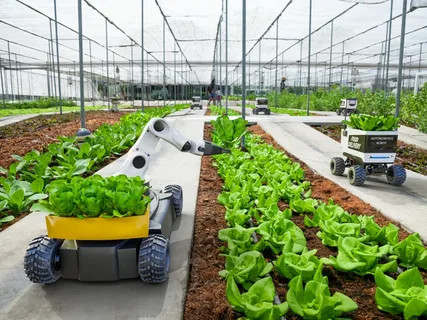
In an era marked by increasing global population growth, climate change, and diminishing arable land, finding solutions to ensure food security has become a pressing priority. Precision farming, also known as smart agriculture, is emerging as a key technological innovation in modern farming practices. By using data-driven technologies, precision farming enhances agricultural productivity while minimizing resource use, offering a sustainable solution to feed the world’s growing population.
What is Precision Farming?
Precision farming refers to the application of advanced technologies such as GPS, IoT sensors, drones, machine learning, and big data analytics to optimize agricultural practices. The primary goal of precision farming is to improve crop yields, reduce waste, and increase the sustainability of farming operations. By closely monitoring environmental conditions, soil health, and crop growth, farmers can make better decisions and apply resources like water, fertilizers, and pesticides more efficiently.
Key Technologies Driving Precision Farming
Several cutting-edge technologies form the backbone of precision farming:
- GPS and GIS Systems: These systems help farmers monitor field variability and apply inputs precisely where they are needed.
- Drones: Drones capture aerial images and collect data about crop health, irrigation needs, and pest infestations.
- Soil Sensors: These sensors provide real-time information on soil moisture, temperature, and nutrient levels, allowing farmers to adjust irrigation and fertilization.
- Automated Tractors and Harvesters: These machines are equipped with advanced navigation systems to optimize fieldwork and harvest operations.
- Data Analytics: Big data tools and machine learning algorithms help analyze vast amounts of information to predict crop performance and environmental impacts.
The Role of Precision Farming in Global Food Security
With the world population expected to reach nearly 10 billion by 2050, global food production must increase substantially to meet demand. However, traditional farming practices face numerous challenges, such as land degradation, water scarcity, and unpredictable weather patterns. Precision farming is revolutionizing agriculture by addressing these challenges head-on.
Increasing Yields with Fewer Resources
One of the most significant advantages of precision farming is its ability to boost crop yields while using fewer resources. By tailoring irrigation and fertilizer application to specific areas of a field, farmers can reduce waste and optimize productivity. This means that more food can be produced from the same amount of land, which is crucial as urbanization and environmental degradation reduce the availability of arable land.
Reducing Environmental Impact
Traditional farming practices often involve the overuse of fertilizers, pesticides, and water, leading to soil depletion, water pollution, and biodiversity loss. Precision farming, however, allows for targeted and efficient resource use. For example, by using soil sensors to determine precise water and nutrient needs, farmers can significantly reduce the overuse of water and chemicals, contributing to a more sustainable agricultural system.
Enhancing Crop Resilience
Climate change is causing extreme weather events such as droughts, floods, and heatwaves, which threaten food security globally. Precision farming can help mitigate the effects of climate change by enabling farmers to monitor and adapt to changing conditions more effectively. By using real-time data, farmers can identify areas of stress in crops, such as water shortages or pest infestations, and respond quickly, improving crop resilience and reducing the risk of crop failure.
Challenges and Future Outlook
While precision farming offers numerous benefits, there are still several challenges to overcome before it can be fully realized on a global scale. High initial costs for equipment and technology, a lack of technical expertise in rural areas, and limited access to reliable data in developing countries are some of the barriers to widespread adoption. Additionally, the integration of new technologies with traditional farming practices can sometimes be slow.
However, as technology continues to evolve and become more affordable, the adoption of precision farming is expected to increase significantly. Governments, agricultural organizations, and technology companies are already investing heavily in developing solutions that will make precision farming more accessible to farmers around the world.
Conclusion
Precision farming stands as one of the most promising solutions to address the looming crisis of global food security. By leveraging cutting-edge technologies to optimize resource use, enhance crop yields, and reduce environmental impact, smart agriculture has the potential to feed a growing global population sustainably.
